
Author

admin

Browsing

For years, conservative groups and corporate leaders argued that the U.S. government would be better if it were run like a business.

For President Donald Trump, who has controlled his own businesses for decades, that looks like taking an increasingly active role in individual corporations’ affairs, from manufacturing to media to tech firms.

And corporations are meeting the demands of a president who is more freely exerting his powers than he did the last time he was in office. At Trump’s urging, Coca-Cola said it would produce a version of its namesake soda with U.S.-grown cane sugar. Paramount paid millions to settle allegations Trump levied against CBS’ venerated “60 Minutes.” Two major semiconductor makers agreed to give the government a cut of their sales in China. The CEO of Intel met with Trump soon after the president called on him to resign.

“It’s so much different than the first term,” said a Republican lobbyist whose firm represents several Fortune 500 companies, who spoke on condition of anonymity to speak candidly. “He’s just acting like a businessman. In his first term, I think he was trying to cosplay as a politician. He’s more comfortable in his own skin, too. He can explain deals better.”

Trump’s role represents a break with past administrations that may have been unwilling or unable, politically, to bring similar pressure to bear on businesses. In the past, small-government conservatives once accused previous Democratic administrations of attempting to “pick winners and losers” by trying to regulate industries. Trump today stands downstream of a bolder right-wing movement that calls for enhanced state intervention in corporate affairs.

Trump has said the corporate concessions are intended to boost the U.S. economy.

And the White House, in a statement, reinforced the idea that Trump’s involved approach to private-sector dealings is a key part of his economic agenda.

“Cooled inflation, trillions in new investments, historic trade deals, and hundreds of billions in tariff revenue prove how President Trump’s hands-on leadership is paving the way towards a new Golden Age for America,” White House spokesperson Kush Desai said.

This post appeared first on NBC NEWS

GMV Minerals Inc. (the ‘Company’ or ‘GMV’) (TSXV:GMV)(OTCQB:GMVMF) is pleased to announce positive results from the updated Preliminary Economic Assessment (‘PEA’) study of the Mexican Hat Gold Project (the ‘Mexican Hat Project’), located in Cochise County, southeastern Arizona.

A National Instrument 43-101 –Standards of Disclosure for Mineral Projects (‘NI 43-101’) compliant technical report (the ‘Report’) entitled ‘Updated NI 43-101 Technical Report Preliminary Economic Assessment, Mexican Hat Project’ with an effective date of August 8, 2025 will be filed on SEDAR+ at www.sedarplus.ca under the Company’s profile within 45 days of this news release. All amounts are stated in second quarter 2025 US dollars (US$).

The Mexican Hat hosts a shallow oxide gold resource with excellent metallurgy and high recoveries, supported by a low strip ratio and minimal pre-stripping. Infrastructure is in place and the Mexican Hat Project demonstrates a robust NPV and IRR. With fast leach kinetics and low reagent consumption, the Company believes the Mexican Hat Project offers exceptional potential economics.

Highlights:

    • Based on price sensitivity analysis at approximately the current price of US$3,350 per ounce of gold, the project returns a pre-tax IRR of 106.8% (after-tax 82.5%) and a pre-tax NPV at a 5% discount rate of US$767 million (after-tax US$538.1 million) with a payback period of 1.10 years (1.3 years after-tax).
    • Base Case mine life of 10 years with total production of 597,841 ounces, averaging approximately 60,000 ounces per year.
    • Crushed mineralized material will be conveyor stacked at a rate of approximately 10,000 tonnes/day on a conventional heap leach pad.
    • Capex: US$89,997,000 (including US$15.4 million contingency).
    • Opex: US$788 million LOM with Low LOM Strip Ratio of 2.05
    • Estimated cash cost of production is US$1,354 per ounce with an all-in-sustaining cost of $1,545 per ounce inclusive of sustaining capital and additional overhead support.
    • Engineering design analysis indicates the potential to increase pit size and contained ounces with increased gold prices.

    FINANCIAL INDICATORS

    The following table summarizes the financial indicators for the Mexican Hat Project for both before and after taxes.

    Financial Indicators Before Taxes

    Values

    NPV cash flow (undiscounted)

    US$537.7M

    NPV @ 5%

    US$390.2M

    IRR %

    66.1%

    Payback (years)

    1.53

    Financial Indicators After Taxes

    Values

    NPV cash flow (undiscounted)

    US$377.9M

    NPV @ 5%

    US$268.3M

    IRR %

    50.2%

    Payback (years)

    1.82

    GOLD PRICE SENSITIVITY TABLE (US$ MILLIONS)

    The following table summarizes the pre-tax and post-tax economic results to gold price sensitivity.

    Pre-Tax and Post-Tax Sensitivity to Gold Price

    -60%

    -45%

    -30%

    -15%

    Base

    +15%

    +34%

    +45%

    +60%

    US$/troy oz Gold

    1,000

    1,375

    1,750

    2,125

    2,500

    2,875

    3,350

    3,625

    4,000

    IRR (Pre-Tax)

    18.3%

    45.0%

    66.1%

    85.0%

    106.8%

    118.7%

    134.2%

    NPV @ 5% (Pre-Tax) US$M

    -274.7

    -108.5

    57.7

    224.0

    390.2

    556.4

    767.0

    888.9

    1,055.1

    IRR (Post-Tax)

    11.3%

    33.4%

    50.2%

    65.2%

    82.5%

    91.9%

    104.2%

    NPV @ 5% (Post-Tax) US$M

    -274.9

    -117.3

    25.8

    149.3

    268.3

    387.4

    538.1

    625.4

    744.4

    INITIAL CAPITAL EXPENDITURES (US$ MILLIONS)

    Initial capital expenditures are estimated at US$89,997,000 million as detailed below:

    OPERATING COSTS

    The mine operating costs were calculated to average $3.49 per tonne mined as summarized below.

    Mine Operating Cost Center

    Unit Cost (US$/t mined)

    Owner Mining Personnel

    $0.11

    Owner Supplies & Misc.

    0.03

    Contractor Mining

    3.35

    Total Cost (Rounded)

    $3.49

    The life-of-mine operating costs were calculated to average US$20.44/tonne resource processed as summarized below.

    Operating Cost

    Cost per Tonne of Crushed Material Processed (US$/t)

    Mining

    $10.60

    Processing

    $8.79

    G&A

    $1.05

    Total Site Operating Cost

    $20.44

    MINERAL RESOURCES

    An updated Mineral Resource Estimate prepared by DRW Geological Consultants Ltd., with an effective date of August 8, 2025, was used in the PEA. Details of the Mineral Resource Estimate can be found in the Report to be filed on SEDAR+ within 45 days of this release.

    Category

    Cut-off (g/t Au)

    Grade (Au, g/t)

    Tonnes

    Gold Oz

    Strip Ratio

    Inferred

    0.20

    0.58

    36,733,000

    688,000

    2.36

    • The Mineral Resource Estimate has been constrained to a preliminary optimized pit shell, using the following parameters: SG = 2.57 gm/cc based on testwork, mining costs = $3.00/tonne, mining recovery = 98%, mining dilution = 2%, process cost = $5.00 per tonne, G&A = $1.05 per tonne, gold price = $2,500 per troy ounce, throughput at 10,000 tpd., discount rate = 5%. A cost of $0.03 was added per bench to the mining cost below the existing level surface.
    • A top cut of 32 gpt gold is applied to all zones except Zone 6 which has a top cut of 50 gpt gold.
    • Mineral Resources have been calculated using the Inverse Distance Squared method.
    • Mineral Resources constrained to optimized pit shells are not Mineral Reserves and do not have demonstrated economic viability.
    • Conforms to NI 43-101, Companion Policy 43-101CP, and the CIM Definition Standards for Mineral Resources and Mineral Reserves. Inferred Resources have been estimated from geological evidence and limited sampling and must be treated with a lower level of confidence than Measured and Indicated Resources.
    • All numbers are rounded. Overall numbers may not be exact due to rounding.
    • There are no known legal, political, environmental, or other risks that could materially affect the potential development of the mineral resources.

    MINE PLAN

    The mine plan is conceived as a conventional open pit tuck and shovel/loader operation. There are two independent pits which are developed with five-phase or pushback designs. Pit shells were designed using 6.0-meter benches with a catch bench installed every 18 meters. A bench face angle of 66° was used, resulting in an inner-ramp angle of 45° when catch benches were included. An 88% overall gold recovery has been used in this study, which was based on bottle roll and column leach test results. Base case haulage ramps are 26 meters wide and have a design gradient of 10%. Processing rates are based on a daily crushing rate of approximately 10,000 tonnes per day utilizing two stage crushing

    The mine and crushing will be operated by contractors with oversight by GMV mine management. The mine plan produces a nominal tonnage to the crushing and heap leach of 3,500 Ktonnes per year (10,000 tpd) from a total material movement of 93.8 Ktonnes for the life of mine (26,106 tpd LOM average).

    The PEA is preliminary in nature; it includes inferred Mineral Resources that are considered too speculative geologically to have the economic considerations applied to them that would enable them to be categorized as Mineral Reserves, and there is no certainty that the PEA will be realized. There is no Mineral Reserve at the Mexican Hat Project at this time. Mineral resources that are not mineral reserves do not have demonstrated economic viability. Over the course of the mine life, 38.6 Mtonnes of Mineralized Resource is planned for processing out of a total material movement of 117.8 Mtonnes.

    INFRASTRUCTURE & PROCESS PLANT

    The Mexican Hat Project is located in the southeastern part of the State of Arizona, approximately 72 miles east-southeast of Tucson, and can be accessed from the Old Ghost Town Road., a gravel road extending south of the Town of Pearce or north from Gleeson Road.

    Groundwater will be used as the source of water for mining operations. No permitting restrictions or quantity issues are anticipated.

    A 69 kV powerline to site will be supplied by Sulphur Springs Valley Electric Cooperative from their power plant located 30 km north of the project site.

    The crushing plant will be operated by a contractor to produce a crushed product for heap leaching with a 25 mm top size. Pregnant solution from the heap leach will be processed in a conventional adsorption desorption recovery (ADR) plant. The process plant will produce doré gold bars.

    TECHNICAL REPORT AND QUALIFIED PERSONS

    The Report entitled Updated Preliminary Economic Assessment, Mexican Hat Project’, with an effective date of August 8, 2025 and which was prepared by the following Qualified Persons (as defined under NI 43-101), all of whom are independent of the Company, will be filed by the Company within 45 days of this release on www.sedarplus.com:

    • Mr. Brian Olson, Q.P., Samuel Engineering, Inc. (Metallurgical Test Work and Recovery, Process Plant and Process Operating Costs)
    • Mr. Steven Pozder, P.E., Samuel Engineering, Inc. (Project Economics and Infrastructure)
    • Dr. Dave Webb, Ph.D., P.Eng., P.Geo., DRW Geological Consultants Ltd. (Mineral Resource Estimate, Property Description and Location, Accessibility, Climate, Local Resource, Infrastructure and Physiography, History, Geological Setting and Mineralization, Deposit Types, Exploration, Drilling, Sample Preparation, Analysis and Security, Data Verification).
    • Mr. Thomas L. Dyer, P.E., RESPEC LLC. (Mine Design, Production Schedule, Capital and Operating Costs)
    • Mr. Francisco J. Barrios, P.E., BBA Consultants International LP (Pad Design and Loading)
    • Ms. Dawn Garcia, CPG, PG, Stantec Consulting Services Inc. (Environmental)

    All Qualified Persons have contributed to their corresponding sections in Interpretation, and Recommendations. The Qualified Persons have reviewed and approved the scientific, technical, and economic information obtained in this news release.

    For a description of the data verification process and limitations, underlying assumptions and the results of surveys and quality assurance program regarding exploration information, please refer to the Company’s existing NI 43-101 Technical Report filed on SEDAR+ entitled ‘Preliminary Economic Assessment, Mexican Hat Project’ with an effective date of October 20, 2020.

    Ian Klassen, President & CEO remarked that ‘The robust PEA confirms our contention that the project’s strong economic potential de-risks the development pathway, providing a solid foundation for advancement. The results validate the open-pit, heap-leach concept, demonstrate excellent metallurgy and recoveries, and outline a simple mining and processing strategy. With high margins, rapid payback, and straightforward engineering, the PEA positions the project well for the future, where detailed design, capital optimization, and permitting can advance with confidence.’

    2025-2026 Forward Looking Plan

    The Mexican Hat Project PEA economics justify continued investment in project development. The forward-looking plan for Mexican Hat includes work required to advance the project through Feasibility Study and into the permitting process.

    These tasks include:

    • Approx. 7000 meters of in-fill drilling to increase confidence in the current geological understanding and mineral resource estimation to sufficient level to support mineral reserve development
    • Metallurgical column, hardness, and grinding tests to further optimize and improve heap leach gold recovery, and to provide information for feasibility design work
    • Performing a trade-off study for self-mining and crushing versus contract mining and crushing
    • Geotechnical drilling and analysis to optimize pit slope design parameters
    • Conduct base-line water sampling, and update of hydrologic, cultural, and environmental studies for permitting

    About GMV Minerals Inc.

    GMV Minerals Inc. is a publicly traded exploration company focused on developing precious metal assets in Arizona. GMV, through its 100% owned subsidiary, has a 100% interest in a Mining Property Lease commonly referred to as the Mexican Hat Project, located in Cochise County, Arizona, USA. The project was initially explored by Placer Dome (USA) in the late 1980’s to early 1990’s. GMV is focused on developing the asset and realizing the full mineral potential of the property through near term gold production.

    PEA Information and Cautionary Note Regarding Inferred Mineral Resources

    The mine plan evaluated in the PEA is preliminary in nature and includes Inferred Mineral Resources, as defined by NI 43-101 that are considered too speculative geologically to have the economic considerations applied to them that would enable them to be converted to Mineral Reserves. Additional drilling and technical studies will need to be completed in order to fully assess its viability. There is no certainty that a production decision will be made to develop the Mexican Hat Project or that the economic results described in the PEA will be realized. Mine design and mining schedules, metallurgical flow sheets and process plant designs will require additional detailed work and economic analysis and internal studies to ensure satisfactory operational conditions and decisions regarding future targeted production.

    Cautionary Note to U.S. Investors

    The United States Securities and Exchange Commission permits U.S. mining companies, in their filings with the SEC, to disclose only those mineral deposits that a company can economically and legally extract or produce. We use certain terms in this report, such as ‘measured,’ ‘indicated,’ ‘inferred,’ and ‘resources,’ that the SEC guidelines strictly prohibit U.S. registered companies from including in their filings with the SEC.

    Cautionary Statement Regarding Forward-Looking Information

    This news release includes certain ‘forward-looking information’ under applicable Canadian securities legislation. Forward-looking information include estimates and statements that describe the Company’s future plans, objectives or goals, including words to the effect that the Company or management expects a stated condition or result to occur. Forward-looking information may be identified by such terms as ‘believes’, ‘anticipates’, ‘expects’, ‘estimates’, ‘may’, ‘could’, ‘would’, ‘will’, or ‘plan’. Forward-looking information contained in this news release include, but are not limited to, statements or information with respect to: the results of the PEA, including the IRR and NPV, life of mine and production, capital and operating expenditures, cost estimates; permitting restrictions, and the mine plan, including infrastructure requirements and future plans; the filing of the PEA, including timing thereof, mineral resources; and future gold prices. Since forward-looking information are based on assumptions and address future events and conditions, by their very nature they involve inherent risks and uncertainties as described in the Company’s filings with Canadian securities regulators. Assumptions upon which forward-looking information contained in this news release is based, without limitation, include: results of future exploration; gold prices; accuracy of the results of the PEA, including key assumptions and methods used to determine mineral resources and the results of the PEA; the ability to obtain required permits and approvals; the ability to execute future plans; exchange rates; ability to obtain funding; and changes in regulatory or community environment; Risks, and uncertainties include: results of further exploration; risks related to mineral tenure, permits and approvals; risks related to the execution of future plans; changes in gold price and exchange rates; risks related to obtaining financing; foreign country risks; regulatory risks and liabilities; and those risks and uncertainties as further described in the Company’s filings with Canadian securities regulators which can be found on SEDAR+ at www.sedarplus.ca under the Company’s profile. There can be no assurance that such information will prove to be accurate, as actual results and future events could differ materially from those anticipated in such information. Accordingly, readers should not place undue reliance on forward-looking information. The Company disclaims any intention or obligation to update or revise any forward-looking information, whether as a result of new information, future events or otherwise, other than as required by law.

    Dr. D.R. Webb, Ph.D., P.Geo., P.Eng. is the Q.P. responsible for this release within the meaning of NI 43-101 and has reviewed the technical content of this release and has approved its content.

    ON BEHALF OF THE BOARD OF DIRECTORS

    Ian Klassen, President
    For further information please contact:
    GMV Minerals Inc.
    Ian Klassen
    Tel: (604) 899-0106
    Email: info@gmvminerals.com

    Neither TSX Venture Exchange nor its Regulation Services Provider (as that term is defined in the policies of the TSX Venture Exchange) accepts responsibility for the adequacy or accuracy of this release.

    Source

    Click here to connect with GMV Minerals Inc. (TSXV:GMV)(OTCQB:GMVMF) to receive an Investor Presentation

    This post appeared first on investingnews.com

    Here’s a quick recap of the crypto landscape for Wednesday (August 13) as of 9:00 p.m. UTC.

    Get the latest insights on Bitcoin, Ethereum and altcoins, along with a round-up of key cryptocurrency market news.

    Bitcoin and Ethereum price update

    Bitcoin (BTC) was priced at US$122,444, up by 2.6 percent over the last 24 hours, and its highest valuation of the day. It briefly dropped to its lowest valuation of $120,414 shortly after the opening bell.

    Bitcoin has found itself at the crossroads of macroeconomic data, political influence and shifting capital flows. Inflation statistics and central bank dynamics have introduced caution, while stablecoin activity and institutional appetite are hinting at a redistribution into altcoins.

    Bitcoin price performance, August 13, 2025.

    Chart via TradingView.

    Meanwhile, Ethereum (ETH) continued to rally, up by 4.5 percent to US$4,716.60. The cryptocurrency’s lowest valuation on Wednesday was US$4,638.43, and its highest was US$4,738.59.

    Glassnode notes that ETH is a bellwether for altcoins, and its current move as capital continues to flow into exchange-traded funds suggests further upside. In an X post on Wednesday, Charles Edwards, founder of crypto quantitative digital asset fund Capriole Investments, shared data showing that 75 percent of Coinbase Global’s (NASDAQ:COIN) volume came from institutional players on Tuesday (August 12).

    He pointed to the outlook for interest rates following the release of July inflation data.

    Altcoin price update

    • Solana (SOL) was priced at US$200.74, up by 6.1 percent over 24 hours, and its highest valuation of the day. Its lowest valuation was US$195.81.
    • XRP was trading for US$3.27, up 0.1 percent in the past 24 hours and at its highest valuation of the day. Its lowest was US$3.24.
    • Sui (SUI) was trading at US$3.99, up by 2.3 percent over the past 24 hours, and its highest valuation of the day. Its lowest level was US$3.93.
    • Cardano (ADA) was trading at US$0.8827, up by 4.6 percent over 24 hours, and its highest valuation on Wednesday. Its lowest was US$0.8660.

    Today’s crypto news to know

    World Liberty Financial sets up US$1.5 billion crypto treasury

    World Liberty Financial, a digital asset venture backed by US President Donald Trump and his sons, has announced plans to establish a US$1.5 billion “crypto treasury” in partnership with ALT5 Sigma (NASDAQ:ALTS).

    Under the deal, ALT5 will raise US$1.5 billion through the sale of its own shares. The funds will go toward the purchase of World Liberty’s in-house token, $WLFI, and will also be used to set up a crypto treasury, settle litigation, pay down debt and for other corporate uses. It will ultimately hold about 7.5 percent of $WLFI tokens.

    Unnamed institutional investors and venture capital firms participated in the share sale. Crypto treasury models have grown in popularity this year amid a friendlier US regulatory stance under the Trump administration.

    The project’s leadership is heavily tied to the Trump family, with Trump himself listed as “co-founder emeritus,” and Eric, Donald Jr. and Barron Trump holding co-founder titles.

    As part of the arrangement, Eric Trump will join ALT5’s board and Zach Witkoff will serve as its chair.

    Bullish shares surge on NYSE debut

    Bullish (NYSE:BLSH), the parent company of Bullish Exchange and CoinDesk, began trading on the New York Stock Exchange on Wednesday. Shares were priced at US$37 each, an increase from an earlier target of US$33, with 30 million on offer to raise US$1.1 billion and value the company at nearly US$5.4 billion.

    Shares surged as much as 218 percent to reach US$118 on trading volume of roughly 38 million shares, before pulling back to close at US$70.65. The initial public offering pushed the company’s market cap above US$10 billion.

    Banking groups push for stablecoin loophole closure

    US banking groups, led by the Bank Policy Institute (BPI), are urging Congress to close a loophole that allows stablecoin issuers to indirectly offer yields through affiliates. They argue that while new stablecoin laws prevent issuers from directly offering yield, they don’t prohibit crypto exchanges or affiliated businesses from doing so.

    The groups contend that this circumvents the law and could lead to a US$6.6 trillion outflow of deposits from traditional banks, potentially disrupting credit flow to American businesses and families.

    Banks are concerned that yield-bearing stablecoins undermine their ability to attract deposits, which are crucial for backing loans. The offering of yield is a significant marketing draw for stablecoins, with some, like USDC, already rewarding holders on exchanges such as Kraken and Coinbase (NASDAQ:COIN).

    Safe harbor programs proposed for DeFi

    In a Wednesday letter, Andreessen Horowitz (a16z) and the DeFi Education Fund asked the US Securities and Exchange Commission (SEC) and Hester Peirce, head of the commission’s Crypto Task Force, to set up a safe harbor program from broker-dealer registration requirements for non-fungible token (NFT) and DeFi applications.

    The group said the letter was a follow up to Trump’s Working Group on Digital Assets, which called on the SEC to give certain DeFi service providers relief from registration provisions under the Exchange Act, specifically those related to broker-dealers, exchanges and clearing agencies. SEC Chair Paul Atkins also directed staff to update “antiquated agency rules and regulations” for certain crypto and blockchain applications in July.

    To avoid enforcement actions, a safe harbor provision would exempt some companies that offer crypto-related products and services from enforcement actions. a16z has sent two previous letters to the commission this year recommending safe harbors for NFTs, airdrops and network tokens.

    Securities Disclosure: I, Giann Liguid, hold no direct investment interest in any company mentioned in this article.

    Securities Disclosure: I, Meagen Seatter, hold no direct investment interest in any company mentioned in this article.


    This post appeared first on investingnews.com

    The price of zinc was on the rise in 2024, but this year has been a different story. The metal’s value has trended down for most of 2025 on the back of increased supply and weakening demand.

    Many base metals have taken hit from lagging demand in recent years due to sticky inflation and higher interest rates, and zinc is no exception. Zinc supply has also faced pressure from higher mining and refining costs, causing some major zinc mines and smelters to suspend operations, with more possible if the current economic situation continues.

    With its important role in the steel manufacturing process, the zinc market is heavily influenced by international trade. One area of support in the last few months has been turmoil caused by the US-China trade war and tariff threats .

    Data was gathered on July 30, 2025, using TradingView’s stock screener, and only zinc stocks with market caps greater than C$50 million at that time were considered. Read on to learn more about their operations and plans.

    1. Teck Resources (TSX:TECK.A,TSX:TECK.B)

    Market cap: C$22.01 billion
    Share price: C$45.04

    Teck Resources is a major global polymetallic miner, as well as one of the world’s top zinc producers.

    The Vancouver-headquartered company produced 615,900 metric tons (MT) of zinc in concentrate in 2024, with 555,600 MT coming from its Red Dog zinc mine in Alaska. The remaining 60,300 MT came from Teck’s 22.5 percent share of zinc production from the Peru-based Antamina copper-zinc mine.

    Teck’s total 2025 production guidance for the base metal is set in a range of 525,000 to 575,000 MT. As of June 30, the company’s zinc production for the year totaled 384,000 MT.

    In addition to the sites mentioned, Teck owns the Trail operations, which it describes as ‘one of the world’s largest fully integrated zinc and lead smelting and refining complexes.’ Located in BC, Canada, the Trail operations produced 256,000 MT of refined zinc in 2024, with 190,000 to 230,000 MT of the material expected in 2025.

    Teck pays a quarterly dividend. On September 29, it will pay out a dividend of C$0.125 per share.

    2. Fireweed Metals (TSXV:FWZ)

    Market cap: C$485.11 million
    Share price: C$2.32

    Fireweed Metals is a critical metals company whose flagship Macmillan Pass zinc project is located in Canada’s Yukon. In 2023, the company acquired the Gayna River zinc project in the Northwest Territories, as well as the Mactung tungsten project, which is adjacent to Macmillan Pass and straddles the border between Yukon and the Northwest Territories. According to Fireweed, Mactung ‘hosts the world’s largest high-grade tungsten deposit.’

    Even with these new assets, the company still has a strong focus on Macmillan Pass. In fact, in November 2023, the Fireweed team, led by Dr. Jack Milton, the firm’s vice president of geology, received the Association for Mineral Exploration’s H.H. “Spud” Huestis Award for its work at the Macmillan Pass property.

    Fireweed’s best drill intersection to date from Macmillan Pass’ Boundary zone includes 143.95 meters true width at 14.45 percent zinc, including 28.71 meters at 25.52 percent zinc. In September 2024, after its largest regional exploration campaign ever at Macmillan Pass, the company released an updated resource estimate for the Tom and Jason deposits, as well as inaugural resource estimates for the Boundary zone and End zone deposits.

    Fireweed launched its 2025 field program in early June, saying it will include 12,000 meters of diamond drilling at Macmillan Pass. The work will target ‘both high-priority regional prospects and step-outs around known zinc-lead-silver-gallium-germanium deposits,’ according to a press release.

    3. Trilogy Metals (TSX:TMQ)

    Market cap: C$405.68 million
    Share price: C$2.47

    Trilogy Metals is focused primarily on copper, zinc and cobalt at its Alaskan Upper Kobuk projects, which are held by Ambler Metals, a joint venture operating company owned equally by Trilogy and South32 (ASX:S32,OTC Pink:SHTLF).

    Its most advanced zinc project is the Arctic copper-zinc-lead-gold-silver volcanogenic massive sulfide project, which is in the feasibility stage and has proven and probable reserves of 43.44 million MT grading 3.12 percent zinc.

    In addition, early stage 2023 field work at the company’s wholly owned Helpmejack project in Alaska’s Ambler schist belt outlined two target areas prospective for volcanogenic massive sulfide and shale-hosted zinc deposits.

    Trilogy had been focusing on improving access to the region with its Amber Access project, but it was rejected by the US Bureau of Land Management under the Biden administration in June 2024 due to the impact the proposed road could have on the environment and communities in the region, which have seen little development.

    However, under the Trump administration, a series of executive and secretarial orders focusing on developing Alaska’s natural resources have been enacted that could reverse this decision.

    “Recent actions taken by President Donald Trump and Interior Secretary Doug Burgum signal a positive path forward for the Ambler Road,’ Trilogy Metals President and CEO Tony Giardini said. ‘This transportation corridor is crucial not only for providing access to the minerals that are vital to U.S. national security and prosperity, but also for much-needed economic growth and job creation in Alaska. Trilogy Metals is committed to working with all stakeholders on progressing the road, to unlock the vast natural resource potential of the Ambler Mining District.”

    4. Emerita Resources (TSXV:EMO)

    Market cap: C$317.02 million
    Share price: C$1.20

    Emerita Resources has a portfolio of high-grade, large-scale polymetallic projects covering more than 26,000 combined hectares in Spain’s Iberian Pyrite Belt. The company’s flagship asset is the Iberian Belt West project, which hosts three massive sulfide deposits: La Infanta, La Romanera and El Cura.

    Emerita released a resource estimate for Iberian Belt West in May 2023. It finished environmental baseline studies the following month, and completed supporting documentation for its mining license application in December 2023.

    In July 2024, the Andalusian government granted Iberian Belt West a declaration of strategic interest, which will streamline the process of moving the project through development.

    Phase 2 metallurgical testing results for the La Romanera and La Infanta deposits released in late 2024 show that commercial-grade copper, lead and zinc concentrates can be obtained from both deposits.

    In March of this year, Emerita announced an updated resource estimate for Iberian Belt West, showing a 35 percent increase to the total indicated mineral resource tonnage and a 44 percent increase in total inferred mineral resource tonnage. Also this year, Emerita made the cut for the latest TSX Venture 50 list.

    Securities Disclosure: I, Melissa Pistilli, hold no direct investment interest in any company mentioned in this article.

    This post appeared first on investingnews.com

    Graphite prices have experienced volatility recently due to bottlenecks in demand for electric vehicles.

    One major factor experts are watching right now is the trade war between China and the US.

    China introduced export restrictions on certain graphite products on December 1, 2023, making it a requirement for Chinese exporters to apply for special permits to ship the material to global markets. In July 2024, the Trump administration in the US announced it would raise tariffs on battery-grade graphite imports from China to 93.5 percent.

    Another trend shaping the graphite market in 2025 has been increasing substitution of natural graphite with synthetic in battery anode production; this comes in response to Chinese exports restrictions and US tariffs on natural graphite.

    This has led to much lower prices for natural graphite, and against that backdrop, many Canadian graphite stocks have trended down. However, several graphite-focused companies have seen strong performances this year.

    Below is a look at the year’s best-performing graphite stocks on the TSXV and CSE; TSX companies were considered, but none made the cut this time. Data was obtained on July 29, 2025, using TradingView’s stock screener, and all companies listed had market caps above C$10 million at that time. Read on to learn more about their work this year.

    1. HydroGraph Clean Power (CSE:HG)

    Year-to-date gain: 384.21 percent
    Market cap: C$282.81 million
    Share price: C$0.99

    HydroGraph Clean Power produces cost-effective, high-purity graphene, hydrogen and other strategic nanomaterials.

    Graphene, a pure carbon material extracted from graphite, has myriad potential applications in industries such as transport, solar cells, medicine, electronics, energy, defense and desalination. HydroGraph has an exclusive license from Kansas State University to produce graphene and hydrogen through the organization’s patented detonation process.

    Much of HydroGraph’s news flow in 2025 has centered on strategic partnerships.

    Results from a research study conducted with Arizona State University were released in January, demonstrating that the company’s HydroGraph’s Fractal Graphene is well suited for ultra-high-performance concretes and 3D-printed structures. In February, HydroGraph announced a technical collaboration with an unnamed global leader in synthetic fiber manufacturing to assess the potential of its graphene technology in high-performance fiber applications.

    The following month, HydroGraph shared the launch of a line of advanced graphene dispersions developed in collaboration with battery materials and testing services company NEI. The products have the potential to be used to produce high-performance electrodes for use in energy storage solutions.

    The company signed a letter of intent in April that could lead to a leading North American industrial gas supplier providing it with access to large volumes of high-purity acetylene. This is an essential material in HydroGraph’s patented detonation synthesis process. Acquiring this feedstock will help the firm advance its plans to build a new graphene production facility in Texas with the capacity to produce over 350 metric tons of graphene annually.

    HydroGraph launched its Compounding Partner Program in July with the goal of attaining commercial-scale production of its high-performance Fractal Graphene in thermoplastics. According to the company, initial certified partners are testing new formulations in the automotive and packaging sectors.

    After trading in a range of C$0.22 to C$0.35 for much of the year, shares of HydroGraph jumped nearly 300 percent in a matter of days to reach a year-to-date high of C$0.99 on July 29.

    2. Black Swan Graphene (TSXV:SWAN)

    Year-to-date gain: 107.35 percent
    Market cap: C$60.02 million
    Share price: C$1.41

    Black Swan Graphene describes itself as an emerging powerhouse in the bulk graphene business.

    The company is a spinout of Mason Resources (TSXV:LLG,OTCQX:MGPHF), which owns the Uatnan graphite project in Québec and holds a 39 percent stake in Black Swan. Graphite from Uatnan is used to supply Black Swan.

    UK-based global chemicals manufacturer Thomas Swan & Co. holds a 15 percent interest in Black Swan, and brings a portfolio of patents and intellectual property related to graphene production. Through this partnership, Black Swan is building out a fully integrated supply chain of mine-to-graphene products.

    Black Swan’s share price traded sideways for much of the year before benefiting greatly from a summer surge. Shares of Black Swan reached their highest year-to-date price of C$1.52 on July 23.

    This followed a series of positive news items concerning progress on increasing commercial output. On June 3, Black Swan announced the installation of an additional production unit at its operational facility in the UK. It is working to more than triple its annual production capacity from 40 metric tons of high-quality graphene to 140 metric tons.

    Later in the month, the company signed a non-exclusive distribution and sales agreement with Indian specialty materials and polymers supplier METCO Resources. The agreement will allow METCO to “distribute and promote Black Swan’s graphene nanoplatelets and GEM advanced masterbatch products to customers across India’s industrial, packaging, automotive, and construction sectors,” as per a press release.

    Black Swan made another key announcement in the following month. On July 9, the market learned the company had secured a US patent for its breakthrough continuous graphene production process.

    3. Focus Graphite Advanced Materials (TSXV:FMS)

    Year-to-date gain: 100 percent
    Market cap: C$12.26 million
    Share price: C$0.135

    Focus Graphite Advanced Materials is both a graphite miner and a battery technology company. Its wholly owned flagship Lac Knife high-grade crystalline flake graphite project is located in Northeastern Québec.

    With a completed feasibility study, Lac Knife is one of North America’s most advanced graphite deposits. The company also holds Lac Tétépisca, the highest-purity graphite project in Québec.

    In terms of battery technologies, Focus Graphite has a patent-pending proprietary silicone-enhanced spheroidized graphite technology that is designed to enhance battery performance and efficiency.

    In late May, definition drilling at Lac Tétépisca led to an extension of the strike length of the mineralized zone to over 6 kilometers, while preliminary metallurgical testing confirmed the quality of the project’s flake graphite.

    In mid-June, the company said thermal purification testing on Lac Knife flake graphite completed by American Energy Technologies Company had resulted in refined concentrate to a purity level of 99.999 percent carbon.

    “This milestone underscores Focus Graphite’s potential to supply ultra-high-purity graphite material for nuclear energy applications, a market historically dominated by synthetic graphite and limited to a small cohort of qualifying producers,” states the company’s press release.

    Shares of Focus Graphite hit their highest year-to-date value of C$0.17 on June 17.

    Securities Disclosure: I, Melissa Pistilli, hold no direct investment interest in any company mentioned in this article.

    This post appeared first on investingnews.com

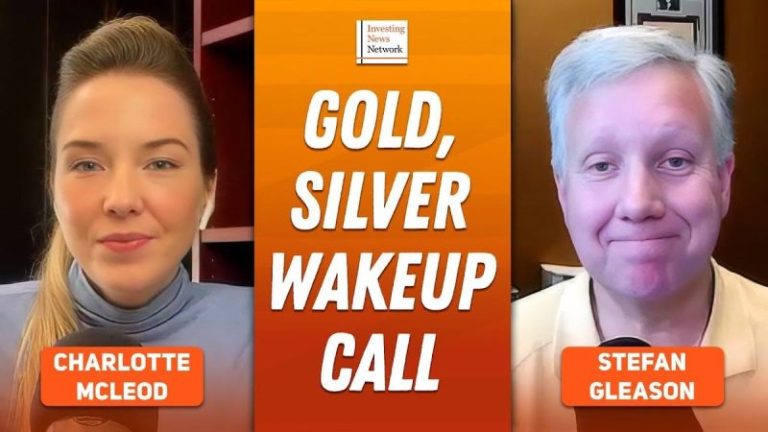
    Keith Weiner, founder and CEO of Monetary Metals, discusses gold and silver’s performance so far this year and shares his outlook for the rest of 2025.

    He also explains what makes today’s gold bull market different than those seen in prior years.

    Securities Disclosure: I, Charlotte McLeod, hold no direct investment interest in any company mentioned in this article.

    This post appeared first on investingnews.com

    The NASDAQ Biotechnology Index (INDEXNASDAQ:NBI) is still trading at three-year highs, despite current market volatility, in response to breakthrough innovations and increased deals involving biotech stocks listed on the NASDAQ.

    After dropping to a low of 3,637.05 in October 2023, the index climbed to a nearly three year peak of 4,954.813 on September 19, 2024. While the index had pulled back to 4,530.69 as of August 5, 2025, further growth could be in store in the future.

    According to a Towards Healthcare analyst report, the global biotech market is expected to grow at a compound annual growth rate of 12.5 percent from now to 2034, reaching a valuation of US$5.04 trillion.

    Driving that growth will be favorable government policies, investment in the sector, increased demand for synthetic biology and a rise in chronic disorders such as cancer, heart disease and hypertension.

    The top NASDAQ biotech stocks have seen sizeable share price increases over the past year. For those interested in investing in biotech companies, the best-performing small-cap biotech stocks are outlined below.

    Data was gathered on August 5, 2025, using TradingView’s stock screener. Small-cap biotech stocks with market caps between US$50 million and US$500 million at that time were considered for this list.

    1. Tiziana Life Sciences (NASDAQ:TLSA)

    Year-to-date gain: 227.8 percent
    Market cap: US$256.36 million
    Share price: US$2.26

    Tiziana Life Sciences is a clinical-stage biopharma which is developing therapies for autoimmune and inflammatory diseases, degenerative diseases, and cancer-related to the liver. Its pipeline of candidates is built on its patent drug delivery technology that provides a possible alternative to intravenous delivery. Tiziana’s lead candidate is intranasal foralumab, a fully human anti-CD3 monoclonal antibody.

    Tiziana Life Sciences shares hit US$1.69 on March 7 after the company filed its investigational new drug application to the US Food and Drug Administration (FDA) for a Phase 2 clinical trial in amyotrophic lateral sclerosis (ALS), which is supported by the ALS Association. However, by early April that value had fallen back to US$0.78 per share.

    A series of positive news flow later in the spring helped to give Tiziana shares another boost. In April, John Hopkins University and the University of Massachusetts commenced dosing of the biotech company’s intranasal foralumab in Phase 2 trials for patients with non-active secondary progressive multiple sclerosis. On May 7, the company shared positive results from the use of its lead candidate in improving the quality of life for patients with that form of multiple sclerosis.

    Tiziana is also studying the use of intranasal foralumab for treating moderate Alzheimer’s disease. On May 9, it announced that PET scans of a patient with moderate Alzheimer’s showed a significant reduction in microglia activation associated with neuroinflammation after three months of treatment.

    Shares of Tiziana reached US$1.62 on May 13.

    On July 21, the company announced an ‘unexpected discovery’ in its findings of an immunologic analysis of the patient with Alzheimer’s disease.

    ‘In an unexpected discovery, the analysis revealed an increase in phagocytosis markers in classical monocytes, suggesting that nasal foralumab may enhance their ability to clear amyloid plaques,’ the press release states. ‘This unexpected effect may open new avenues for treating Alzheimer’s Disease by targeting both inflammation and amyloid accumulation.’

    Tiziana’s share price climbed through the remainder of the month, hitting a year-to-date high of US$2.50 on July 31.

    2. Palvella Therapeutics (NASDAQ:PVLA)

    Year-to-date gain: 224.98 percent
    Market cap: US$416.08 million
    Share price: US$37.64

    Palvella Therapeutics is a clinical-stage biopharma developing treatments targeting rare genetic skin diseases for which there are no FDA-approved therapies. The company’s product pipeline centers on its patented QTORIN platform, which has an initial focus on rare genetic skin diseases.

    Its lead product candidate, QTORIN rapamycin, is currently in a Phase 2 clinical trial in cutaneous venous malformations, and a Phase 3 clinical trial in microcystic lymphatic malformations (LM). QTORIN rapamycin has been granted breakthrough therapy designation, orphan drug designation and fast track designation from the FDA for the treatment of microcystic LMs.

    After starting the year at US$12.00, shares of Palvella had surged to US$20.99 by February 18. About a week earlier, the company had shared plans to expand the Phase 3 trial to include pediatric patients from three to five years of age. That momentum in Palvella’s share price continued to rally to US$29 per share on March 13.

    June produced a number of significant milestones for Palvella. On June 9, the company received initial proceedings from a grant issued by the FDA Office of Orphan Products Development for its Phase 3 trial, and on June 23, it completed enrollment for the trial with 51 subjects, 25 percent over its target. The company closed out the month with news it was added to the broad-market Russell 3000 Index and the Russell 2000 Index.

    The company said it remains on track to deliver top-line Phase 3 data in Q1 2026 to support its planned new drug application submission later that year.

    While the company didn’t release news in July, Palvella Therapeutics’ share price climbed significantly through the month to hit a year-to-date high of US$39.87 on July 28.

    3. OKYO Pharma (NASDAQ:OKYO)

    Year-to-date gain: 163.03 percent
    Market cap: US$117.35 million
    Share price: US$3.13

    OKYO Pharma is a clinical-stage biopharma developing therapies for the treatment of neuropathic corneal pain and dry eye disease. Its lead candidate is urcosimod, a non-steroidal anti-inflammatory and non-opioid analgesic.

    So far in 2025, the company has achieved multiple milestones related to its Phase 2 trial of urcosimod for treatment of neuropathic corneal pain.

    On April 30, OKYO announced plans to end the trial early to analyze the data from the patients who had completed the trial, with the goal of accelerating its clinical development and expanding the program. Supporting the decision was the fact that urcosimod had previously demonstrated safety in OKYO’s completed Phase 2 trial of the candidate to treat patients with dry eye disease.

    The next day, news broke that the FDA granted urcosimod fast track designation for the treatment of neuropathic corneal pain. OKYO’s stock price reached US$1.57 on May 1.

    On July 17, OKYO posted strong top-line data from its Phase 2 clinical trial, and stated it is planning a meeting with the FDA to discuss next steps for its lead drug candidate. The following day, OKYO received US$1.9 million in non-dilutive funding to support its clinical development of urcosimod.

    Shares of OKYO hit a year-to-date high of US$3.17 on August 5.

    4. IO Biotech (NASDAQ:IOBT)

    Year-to-date gain: 129.47 percent
    Market cap: US$144.28 million
    Share price: US$2.16

    IO Biotech is a clinical-stage biopharmaceutical company developing immune-modulating therapeutic cancer vaccines based on its T-win technology platform, designed to activate T cells to target both tumor cells and the immune-suppressive cells. The company’s lead cancer vaccine candidate IO102-IO103, which has the brand name Cylembio, is currently in clinical trials.

    The FDA granted breakthrough therapy designation to IO102-IO103 when used in combination with Merck’s (NYSE:MRK) anti-PD-1 therapy KEYTRUDA for the treatment of advanced melanoma based on positive Phase 1/2 first line metastatic melanoma data.

    At the start of the year, IO Biotech completed enrollment in its Phase 2 trial of IO102-IO103 with KEYTRUDA as a treatment given before and after surgery for resectable melanoma or head and neck cancer.

    On February 4, the company published results from a preclinical study of its second immune-modulatory therapeutic cancer vaccine candidate, IO112, targeting arginase 1, which plays a key role in immune suppression.

    In mid-March, IO Biotech was named to Fast Company’s list of the World’s Most Innovative Companies of 2025. The following month, the company presented new preclinical data for its lead candidate IO102-IO103 as well as IO170, which targets Transforming Growth Factor beta.

    In its Q1 2025 financial results and business highlights released on May 14, IO Biotech shared that a readout of primary endpoint data from its pivotal Phase 3 trial of its lead investigational therapeutic cancer vaccine in patients with advanced melanoma is expected in the third quarter of 2025.

    Shares of IO Biotech reached a year-to-date high of US$2.40 on July 28.

    5. Spero Therapeutics (NASDAQ:SPRO)

    Year-to-date gain: 110.95 percent
    Market cap: US$124.12 million
    Share price: US$2.22

    Spero Therapeutics is developing novel treatments for rare diseases and multi-drug resistant bacterial infections with high unmet need. The company’s lead drug candidate is tebipenem pivoxil hydrobromide (HBr), a late-stage development asset developed in collaboration with pharma giant GSK (NYSE:GSK) to treat complicated urinary tract infections (cUTIs), including pyelonephritis.

    Spero has an exclusive license agreement with GSK for the development and commercialization of the drug candidate in all ex-Asia markets. The FDA has granted tebipenem HBr qualified infectious disease product and fast track designations.

    Shares in Spero traded below US$1.00 for much of the first half of 2025. However, the stock’s value surged 245 percent on May 28 to reach US$2.35 per share after Spero reported that its Phase 3 trial evaluating tebipenem HBr for treating cUTIs met its primary endpoint and stopped early for efficacy. GSK plans to include the findings in a filing to the FDA during H2.

    Spero shares reached a year-to-date high of US$3.04 on July 9.

    Securities Disclosure: I, Melissa Pistilli, hold no direct investment interest in any company mentioned in this article.

    This post appeared first on investingnews.com

    (TheNewswire)

    TORONTO, ON, August 13, 2025 TheNewswire – Silver Crown Royalties Inc. ( Cboe: SCRI,OTC:SLCRF; OTCQX: SLCRF; FRA: QS0) ( ‘Silver Crown’ or the ‘Company’ ) is pleased to announce that, further to its press release dated August 7, 2025, it has closed the acquisition of a royalty on 90% of the cash equivalent of silver produced each quarter from the past producing Scotia Mine (the ‘Silver Royalty’ ) with EDM Resources Inc. ( TSX-V: EDM; FSE: P3Z) ( ‘EDM’ ). The Silver Royalty provides for minimum of the cash equivalent of 7,000 ounces per year for 10 years starting at commercial production on the Scotia Mine. SCRi paid $250,000 in cash at closing and issued 60,000 units (‘ Units ‘) to EDM per Unit at a deemed value of C$10.00, with each Unit consisting of a common share in the capital of SCRi (‘ Common Share ‘) and one warrant exercisable into an additional Common Share at a price of C$13.00 for a period of 36 months following the date hereof. SCRi must pay EDM an additional C$250,000 cash payment following the date hereof as deferred consideration for the Silver Royalty.

    ABOUT EDM RESOURCES INC.

    EDM Resources Inc. (‘EDM’) ( TSX-V: EDM; FSE: P3Z) is a Canadian exploration and mining company that has full ownership of the Scotia Mine and related facilities near Halifax, Nova Scotia. Through its wholly owned subsidiary, EDM also holds several prospective exploration licenses near its Scotia Mine and in the surrounding regions of Nova Scotia .

    ABOUT Silver Crown Royalties INC.

    Founded by seasoned industry professionals, Silver Crown Royalties ( Cboe: SCRI | OTCQX: SLCRF | FRA: QS0) is a publicly traded silver royalty company dedicated to generating free cash flow. Silver Crown (SCRi) currently holds five silver royalties. Its business model offers investors exposure to precious metals, providing a natural hedge against currency devaluation while mitigating the adverse effects of production-related cost inflation. SCRi strives to minimize the economic burden on mining projects while simultaneously maximizing shareholder returns. For further information, please contact:

    Silver Crown Royalties Inc.

    Peter Bures, Chairman and CEO

    Telephone: (416) 481-1744

    Email: pbures@silvercrownroyalties.com

    FORWARD-LOOKING STATEMENTS

    This release contains certain ‘forward looking statements’ and certain ‘forward-looking information’ as defined under applicable Canadian and U.S. securities laws. Forward-looking statements and information can generally be identified by the use of forward-looking terminology such as ‘may’, ‘will’, ‘should’, ‘expect’, ‘intend’, ‘estimate’, ‘anticipate’, ‘believe’, ‘continue’, ‘plans’ or similar terminology. The forward-looking information contained herein is provided for the purpose of assisting readers in understanding management’s current expectations and plans relating to the future. Readers are cautioned that such information may not be appropriate for other purposes. Forward-looking statements and information include, but are not limited to, SCRi must pay EDM an additional C$250,000 cash payment following the date hereof as deferred consideration for the Silver Royalty . Forward-looking statements and information are based on forecasts of future results, estimates of amounts not yet determinable and assumptions that, while believed by management to be reasonable, are inherently subject to significant business, economic and competitive uncertainties and contingencies. Forward-looking information is subject to known and unknown risks, uncertainties and other factors that may cause the actual actions, events or results to be materially different from those expressed or implied by such forward-looking information, including but not limited to: the impact of general business and economic conditions; the absence of control over mining operations from which SCRi will purchase gold and other metals or from which it will receive royalty payments and risks related to those mining operations, including risks related to international operations, government and environmental regulation, delays in mine construction and operations, actual results of mining and current exploration activities, conclusions of economic evaluations and changes in project parameters as plans continue to be refined; accidents, equipment breakdowns, title matters, labor disputes or other unanticipated difficulties or interruptions in operations; SCRi’s ability to enter into definitive agreements and close proposed royalty transactions; the inherent uncertainties related to the valuations ascribed by SCRi to its royalty interests; problems inherent to the marketability of gold and other metals; the inherent uncertainty of production and cost estimates and the potential for unexpected costs and expenses; industry conditions, including fluctuations in the price of the primary commodities mined at such operations, fluctuations in foreign exchange rates and fluctuations in interest rates; government entities interpreting existing tax legislation or enacting new tax legislation in a way which adversely affects SCRi; stock market volatility; regulatory restrictions; liability, competition, the potential impact of epidemics, pandemics or other public health crises on SCRi’s business, operations and financial condition, loss of key employees. SCRi has attempted to identify important factors that could cause actual results to differ materially from those contained in forward-looking statements, there may be other factors that cause results not to be as anticipated, estimated or intended. There can be no assurance that such statements will prove to be accurate, as actual results and future events could differ materially from those anticipated in such statements. Accordingly, readers are advised not to place undue reliance on forward-looking statements or information. SCRi undertakes no obligation to update forward-looking information except as required by applicable law. Such forward-looking information represents management’s best judgment based on information currently available.

    This document does not constitute an offer to sell, or a solicitation of an offer to buy, securities of the Company in Canada, the United States or any other jurisdiction. Any such offer to sell or solicitation of an offer to buy the securities described herein will be made only pursuant to subscription documentation between the Company and prospective purchasers. Any such offering will be made in reliance upon exemptions from the prospectus and registration requirements under applicable securities laws, pursuant to a subscription agreement to be entered into by the Company and prospective investors. There can be no assurance that forward-looking statements will prove to be accurate, as actual results and future events could differ materially from those anticipated in such statements. Accordingly, the reader is cautioned not to place undue reliance on forward-looking statements.

    CBOE CANADA DOES NOT ACCEPT RESPONSIBILITY FOR THE ADEQUACY OR ACCURACY OF THIS NEWS RELEASE.

    Copyright (c) 2025 TheNewswire – All rights reserved.

    News Provided by TheNewsWire via QuoteMedia

    This post appeared first on investingnews.com